


China Electronics Gadgets News

The TK62 Smartwatch: Your Partner in Fitness and Health
In the realm of wearable technology, the smartwatch has emerged as an indispensable tool for those aiming to stay connected and monitor their health on the go. Among the myriad

Elevate Your Mobile Experience: The S24Ultra Unveiled
1. Unveiling the Power and Elegance of the S24Ultra Unlocked Smartphones In a world where the diversity of smart devices is as vast as the ocean, a new titan emerges
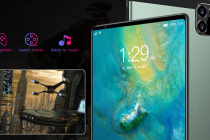
The New Era of Connectivity: Tablets in the Smart Home Ecosystem
In the ever-evolving tech landscape, the integration of smart devices into our daily lives has become more of an expectation than a luxury. Among these innovative gadgets, one category that

Beyond Observation: Innovative Trail Cameras with Two-Way Voice
In the modern era of advanced surveillance technology, the demand for innovative and efficient security solutions has significantly increased. Among the numerous options available, one particularly stands out for its
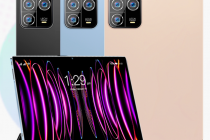
Exploring the Pad6Max Tablet: Maximize Your Digital Life
In an era increasingly dominated by digital technology, tablets have become indispensable devices for people from all walks of life. Whether it's for work, education, entertainment, or simply staying connected,

Powerful Performance: Unleashing the Potential of the M6Pro Smartphone
The world of smartphones is ever-evolving, offering consumers a plethora of options tailored to meet diverse needs, from basic communication to high-end performance for gaming and productivity. Among these, the
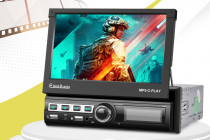
The Ultimate Car Accessory: A Multimedia Player That Combines Style and Safety
When it comes to adding functionality and convenience to your driving experience, the 1 Din 7 Inch Car Multimedia Player with Carplay and Bluetooth Reversing Video Player is an exceptional

T16 Voice Real-Time Language Translator – Your Multilingual Companion
In today's globally interconnected world, the ability to communicate across language barriers is more valuable than ever. Enter the T16 Voice Real Time Language Translator Device, a state-of-the-art tool designed
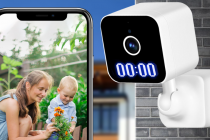
K1 Digital Clock Hidden Camera: Your Multifunctional Surveillance Partner
In today's world, surveillance is not just about security; it's about convenience, discretion, and peace of mind. The K1 Digital Clock Hidden Camera HD 1080P WiFi Camera Clock is an

Unveiling the POVA 5 Smartphone, Capture Life’s Moments
In a world that's increasingly dominated by smartphones, consumers are on a constant lookout for a device that can keep up with their daily needs without breaking the bank. Enter

WHAT DO PEOPLE FOCUS ON


Useful How To Guides


Special Promotions

US and EU Warehouse Offer

Make Money with Chinavasion


